October 16, 2026
In this article, we will explore the concept of asphalt sealing, its benefits, methods, materials used, and its overall importance in maintaining the integrity of paved surfaces. As infrastructure ages, understanding asphalt sealing is crucial for both homeowners and municipal planners. Asphalt sealing is not only a preventative maintenance step but also a crucial element in extending the life of paved surfaces. Properly sealed asphalt not only looks better, but it also provides a safe, smooth surface for both pedestrians and vehicles. Understanding the nuances of asphalt sealing can help in making informed decisions about pavement maintenance.
Understanding Asphalt Sealing
Definition and Purpose
Asphalt sealing involves applying a protective coating to asphalt pavements, aiming to preserve its integrity and enhance its durability. The primary purpose is to provide a barrier against environmental elements and chemicals, such as water, oils, and UV rays, which can deteriorate asphalt over time. Sealants act as a shield, preventing water intrusion and oxidation which lead to cracks and potholes. This preventive maintenance step is key to extending the life of asphalt surfaces and saving on costly repairs. Overall, asphalt sealing is a practical investment for prolonging the lifespan and safety of roads, driveways, and parking lots.
The Process of Sealing Asphalt
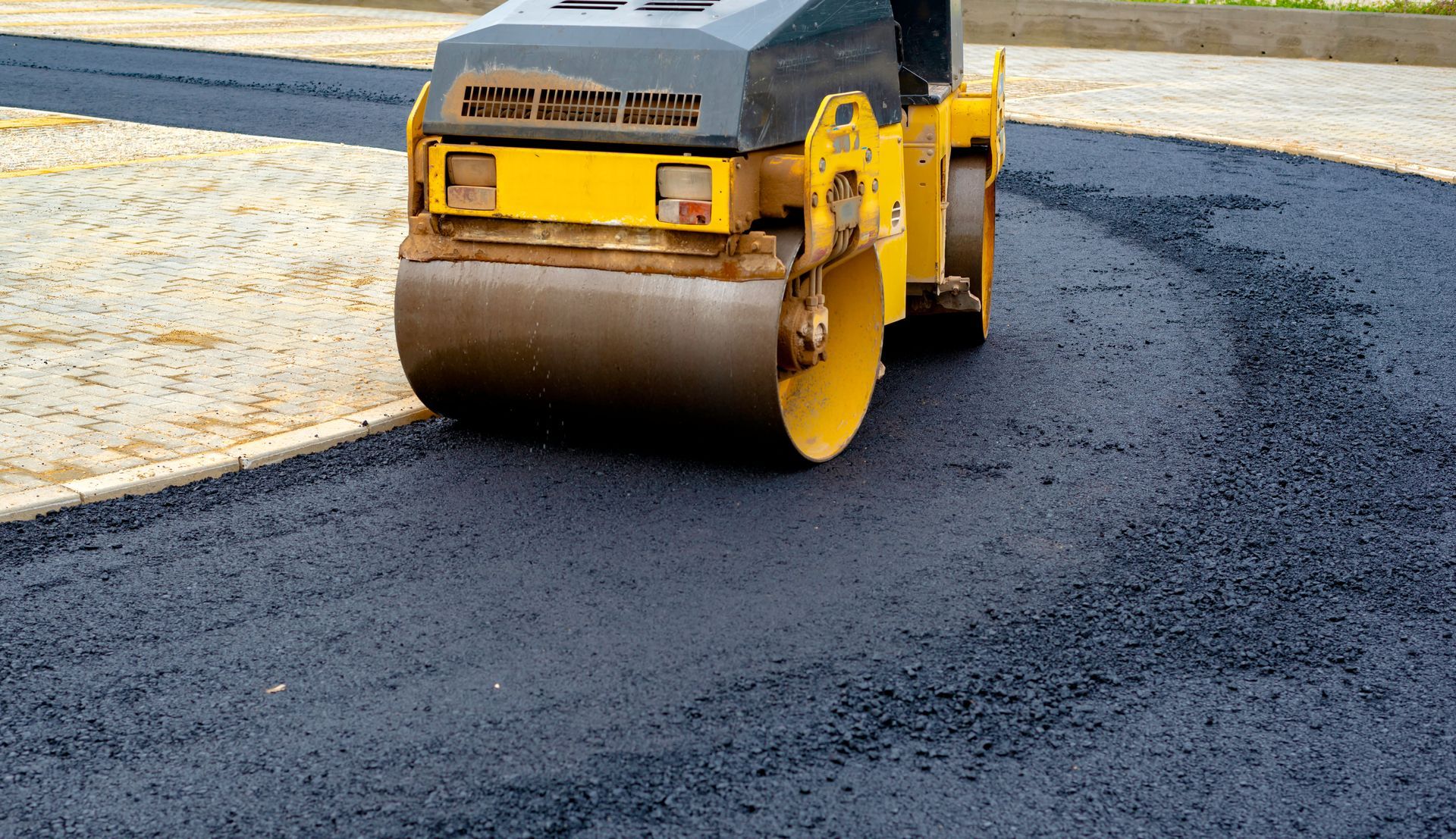
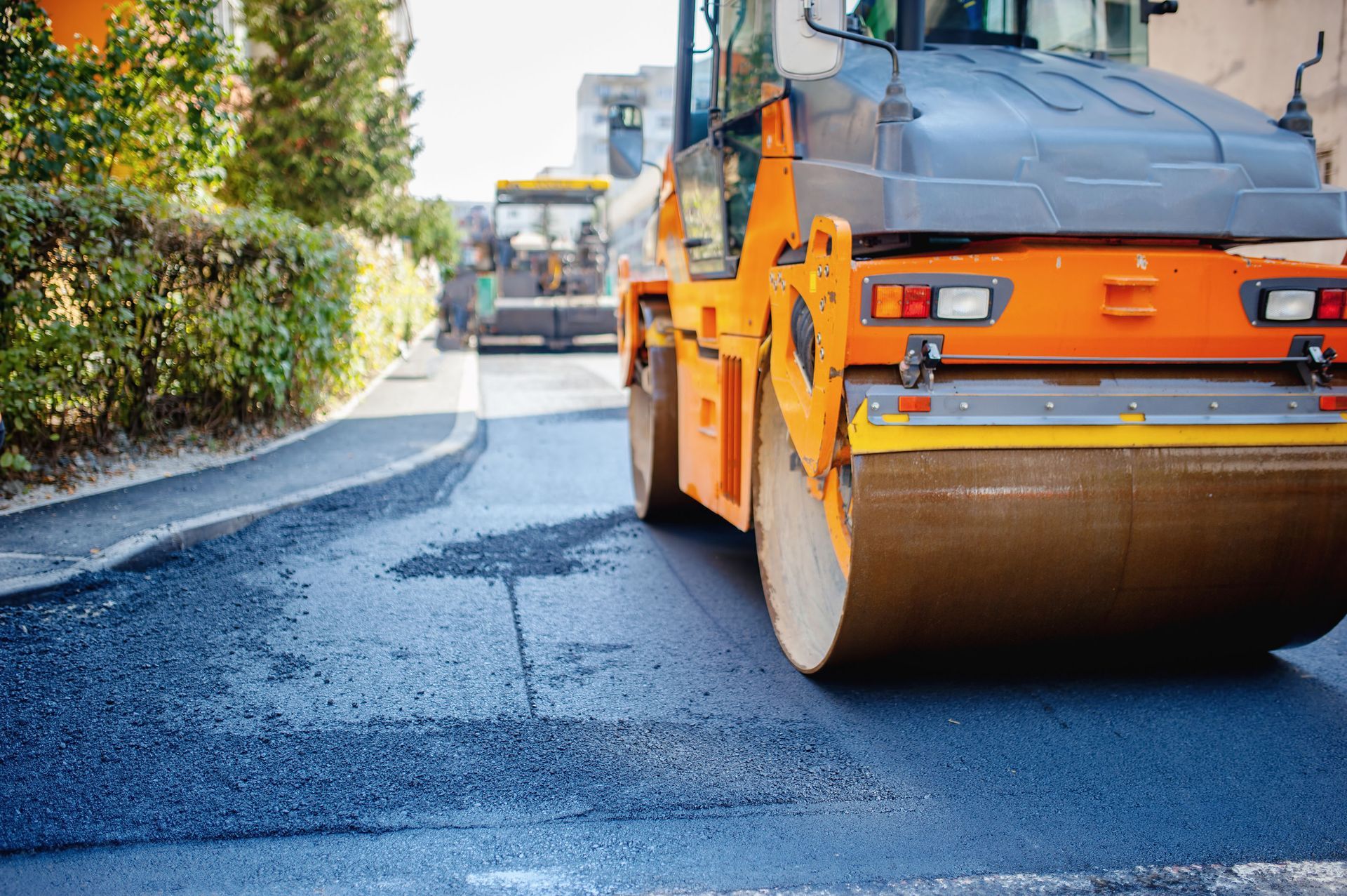
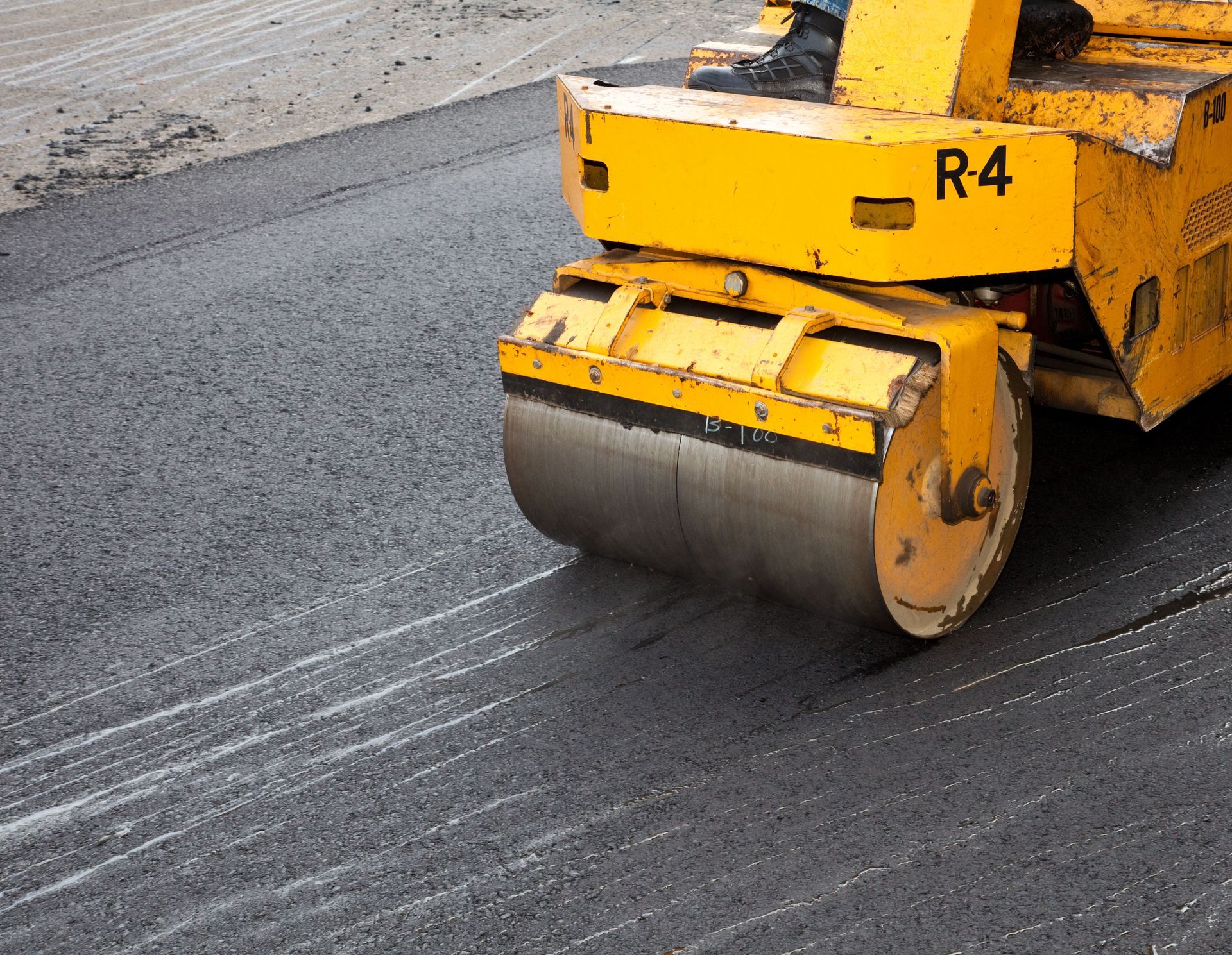
The process of sealing asphalt typically involves cleaning the surface, filling cracks, and then applying the sealant evenly across the area. Cleaning is crucial to ensure that dirt, debris, and oil do not interfere with the adhesion of the sealant. Once the surface is prepped, cracks are filled to prevent the seepage of water into the base layer. The sealant is then applied using either brushes, squeegees, or spray machines, depending on the size of the area and the type of sealant used. This methodical approach ensures a consistent application that optimizes protection and appearance.
Historical Context
Asphalt sealing has evolved over the decades, evolving from basic coal tar applications to more advanced materials like asphalt-based and acrylic sealants. Historically, sealing was seen as an optional maintenance step, but as infrastructure ages and traffic increases, its importance has gained recognition. Innovations in materials and techniques have made sealing a more efficient and effective preventive measure. Moreover, with urban expansion, maintaining road quality has become a critical factor in urban planning. Over time, asphalt sealing has become an integral aspect of managing public and private paved surfaces proactively.
Common Misconceptions
One common misconception is that asphalt sealing is only for aesthetic purposes, though its practical benefits far outweigh its ability to improve curb appeal. Another myth is that sealing asphalt is an unnecessary expense when, in fact, it extends the life of the surface, ultimately saving money on repairs. Some believe that sealcoating can repair visible cracks or potholes, but it primarily serves to prevent these issues from occurring. Understanding these misconceptions helps clarify the role and importance of asphalt sealing. Properly informed property owners and planners can make educated decisions regarding pavement maintenance.
Benefits of Asphalt Sealing
Prolongs Pavement Life
One of the most significant benefits of asphalt sealing is that it extends the life of the pavement. By protecting against moisture penetration, sealant prevents water from entering the base material of the asphalt, reducing the risk of potholes. Reduced surface oxidation from sunlight exposure also means that the asphalt remains flexible, reducing the likelihood of cracks. This longevity eventually translates to substantial savings on repair and replacement costs. In the absence of such preventive measures, the costs associated with roadway repairs contribute significantly to the $130 billion annual expense motorists bear due to deteriorated roads according to the NAPA.
Enhances Aesthetic Appeal
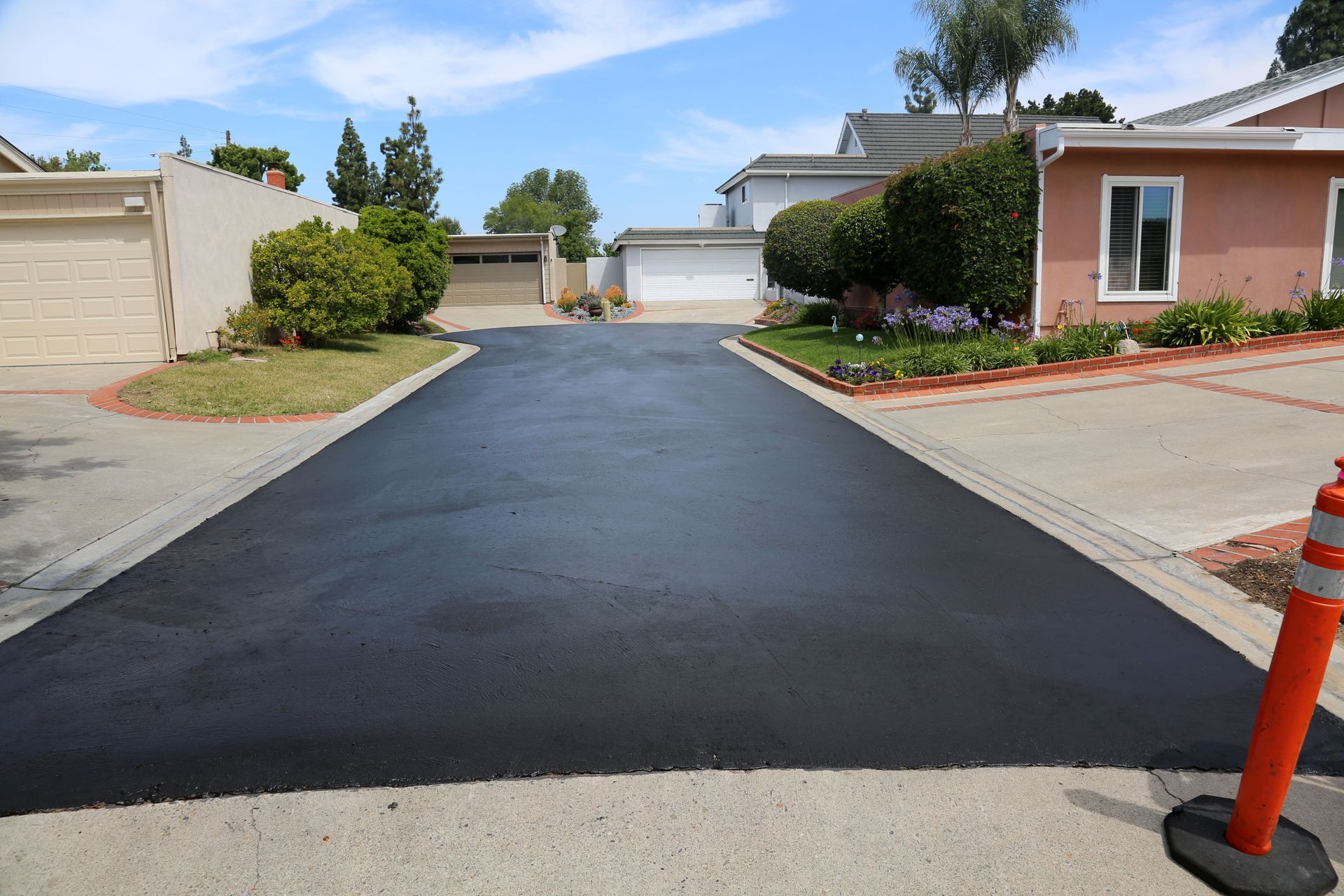
Asphalt sealing also offers the benefit of enhancing the visual appeal of a surface by giving it a uniform, dark appearance that looks new and well-maintained. This fresh look not only boosts the curb appeal of residential driveways but is also important for commercial properties that depend on first impressions. A well-sealed pavement offers a vibrant, clean look that can significantly enhance the perceived value of a property. As aesthetics contribute to the first impression of homes and businesses, maintaining an appealing driveway or parking lot makes a positive impact. Consequently, sealing is a cost-effective way to improve the overall appearance of any paved area.
Resistance to Water and Oil Spills
Asphalt sealing provides a resilient layer that repels water and resists the penetration of oils and other spills, which can damage the pavement. Water seepage into cracks and crevices can weaken the sub-base, causing the pavement to break down over time. Oil spills from vehicles can soften and deteriorate asphalt if not properly addressed. Sealing creates an impermeable layer that prevents staining and contributes to longevity. This resistance to environmental elements is a keystone in preserving the pavement's structure and extending its service life.
Protection Against UV Rays
Protection against UV rays is another critical advantage of asphalt sealing. The sealant acts as a barrier, preventing the sun’s harsh rays from oxidizing the asphalt, which can cause it to become brittle and crack. Over time, unprotected asphalt exposed to sunlight undergoes color and structural changes that detract from its resilience. Sealing prevents this deterioration while maintaining the surface as flexible and durable as possible. This UV protection is essential, particularly in sunnier climates where sunlight poses a constant threat to pavement integrity.
Types of Asphalt Sealants
Coal Tar Sealants
Coal tar sealants are a traditional sealing material known for their durability and resistance to oil and fuel spills. They create a strong barrier against environmental elements, protecting the asphalt effectively for about three to four years. However, they have faced scrutiny due to environmental concerns, as coal tar contains polycyclic aromatic hydrocarbons (PAHs), which can be hazardous. Despite these concerns, coal tar remains popular due to its longevity and performance in protecting pavement surfaces. Understanding the pros and cons of coal tar is essential for those considering it as a sealing option.
Asphalt-based Sealants
Asphalt-based sealants are an alternative to coal tar, offering a more environmentally friendly solution with effective protective properties. These sealants provide a durable coating with an appearance similar to the original asphalt, often preferred for their aesthetic consistency. Unlike coal tar, asphalt emulsion sealants contain fewer PAHs, making them a safer choice for environmental safety and health. Additionally, asphalt-based sealants provide substantial resilience against UV degradation and water penetration. Choosing between coal tar and asphalt-based sealants often comes down to weighing environmental impacts and desired durability.
Acrylic Sealants
Acrylic sealants represent the new frontier in sealing materials, providing a non-toxic, water-based alternative to traditional sealants. They offer excellent durability and UV resistance while being highly customizable in color and finish. Acrylics are quick to dry, reducing downtime for paved surfaces requiring frequent use. Their eco-friendly composition makes them an attractive option for environmentally conscious consumers seeking sustainable practices. Although slightly more expensive, acrylic sealants provide high performance and aesthetic flexibility that appeal to a wider array of consumers and project requirements.
Criteria for Choosing Sealants
Choosing a sealant depends on various factors, including environmental conditions, traffic levels, budget, and personal preference. The compatibility of the sealant with local climate conditions and the level of anticipated wear and tear should be factors in the decision-making process. Balancing cost considerations with the expected longevity and performance of the sealant is crucial in selecting the most suitable product. Environmental regulations and potential health impacts may also influence the choice, pushing towards greener alternatives. Making an informed decision requires evaluating these criteria to ensure both performance and safety goals are met.
Asphalt sealing plays a vital role in maintaining infrastructure by extending the life and appearance of paved surfaces. By understanding its methods and materials to acknowledging the challenges ahead, this practice remains essential for economic and environmental reasons. From its advantages in prolonging pavement life and enhancing curb appeal to addressing misconceptions and application techniques, sealing is integral to pavement upkeep. With trends pointing toward sustainable practices and technological advancements, staying informed on asphalt sealing is more important than ever. As we look towards future technologies and practices, the importance of informed asphalt maintenance continues to grow. Reach out to Roadex Paving LLC today to see how we can help you!